
"Jesuit coffee history"
200 article(s) found

The method of describing the flavor of the coffee producing area of La Tisa Manor in Guatemala
Coffee was really introduced into Guatemala in 1750 by Father Jesuit, and the coffee industry was developed by German colonists at the end of the 19th century. Today, most of the coffee industry's production takes place in the south of the country. There are seven major coffee producing areas in Guatemala, and the flavor of the coffee produced in each area is different, but to sum up, the coffee in Guatemala is all

Taste of Guatemalan Coffee the Manor area introduces the characteristics of Guatemalan Coffee Latisha Manor
Guatemala was introduced by Father Jesuit in 1750, and the coffee industry was developed by German colonists at the end of the 19th century. Today, most of the coffee industry's production takes place in the south of the country. There are seven major coffee producing areas in Guatemala, and the flavor of the coffee produced in each area is different, but to sum up, the coffee in Guatemala is mild and mellow.
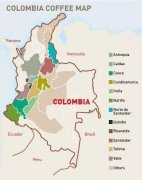
Columbia Coffee History, Climate, Environment, Coffee Flavor
Colombian coffee beans grow at high altitudes and are carefully cared for in the shade of banana and rubber trees. This kind of coffee is one of the best in the world. Rich, mellow, perfectly balanced. Colombia's arid mountains and well-drained, fertile volcanic soil provide ideal conditions for growing quality coffee. Coffee in Colombia is mainly grown in two regions, one

Guatemala Coffee Bean Flavor Manor introduces Antigua boutique coffee beans
Coffee was really introduced into Guatemala in 1750 by Father Jesuit, and the coffee industry was developed by German colonists at the end of the 19th century. Today, most of the coffee industry's production takes place in the south of the country. There are seven major coffee producing areas in Guatemala, and the flavor of the coffee produced in each area is different, but to sum up, the coffee in Guatemala is all

History of Vietnamese Coffee Development is Vietnamese Coffee good
Exchange of professional baristas Please follow the coffee workshop (Wechat official account cafe_style) Vietnamese coffee flavor: smell: coffee after the preparation of the smell and aroma. The words used to describe smell include caramel, carbon roast, chocolate, fruit, grass, malt, and so on. Bitterness: bitterness is a basic sense of taste, and the sensory area is distributed at the base of the tongue. Deep

Introduction to the coffee producing area of La Tisa Manor in Guatemala
Coffee was really introduced into Guatemala in 1750 by Father Jesuit, and the coffee industry was developed by German colonists at the end of the 19th century. Today, most of the coffee industry's production takes place in the south of the country. There are seven major coffee producing areas in Guatemala, and the flavor of the coffee produced in each area is different, but to sum up, the coffee in Guatemala is all

Guatemala Antigua Coffee Bean Flavor taste Manor area introduces boutique coffee beans
Coffee was really introduced into Guatemala in 1750 by Father Jesuit, and the coffee industry was developed by German colonists at the end of the 19th century. Today, most of the coffee industry's production takes place in the south of the country. There are seven major coffee producing areas in Guatemala, and the flavor of the coffee produced in each area is different, but to sum up, the coffee in Guatemala is all

Smooth Guatemalan coffee introduces Atitlan, one of the five major volcanic producing areas.
Coffee was really introduced into Guatemala in 1750 by Father Jesuit, and the coffee industry was developed by German colonists at the end of the 19th century. Today, most of the coffee industry's production takes place in the south of the country. There are seven major coffee producing areas in Guatemala, and the flavor of the coffee produced in each area is different, but to sum up, the coffee in Guatemala is all

Colonial History of Coffee Manor in Tanzania
Tanzanian coffee has also been developed in the hands of German and British colonists and has long been loved by Europeans and squeezed into the ranks of famous products. The most favorable factors that make Tanzanian coffee famous are Hemingway and his novels. Hemingway has been integrated with Tanzania and Mount Kilimanjaro since he embarked on his career as a writer in France. Hemingway became famous

El Salvador Himalayan Coffee Estate Features Variety Grind Treatment Taste Introduction
San Salvador, Bahia. An important natural deep-water port on Brazil's Atlantic coast, capital of Bahia. Located on the east coast of the Bay of Todos (Santos). With a population of 3,459,377 (as of August 1, 2010), it is the eighth largest city in Brazil. It is one of the oldest cities in Brazil, founded in 1549, and the first churches were built by Jesuit priests in 1549. until 1763.

Guatemalan coffee was introduced into Guatemala Antigua coffee bean planting environment and taste in 1750.
Professional coffee knowledge exchange more coffee bean information Please follow Coffee Workshop (Wechat official account cafe_style) Coffee was really introduced to Guatemala in 1750 by Father Jesuit, and the coffee industry was developed by German colonists at the end of the 19th century. Today, most of the coffee industry's production takes place in the south of the country. There are seven in Guatemala.

The smooth taste of Guatemalan coffee introduces the Latisa Manor in the coffee producing area of Guatemala.
Coffee was really introduced into Guatemala in 1750 by Father Jesuit, and the coffee industry was developed by German colonists at the end of the 19th century. Today, most of the coffee industry's production takes place in the south of the country. There are seven major coffee producing areas in Guatemala, and the flavor of the coffee produced in each area is different, but to sum up, the coffee in Guatemala is all

Guatemala Fine Coffee Bean Antigua Coffee Flavor Aroma Description
Antigua is a famous coffee producer, rich volcanic soil, low humidity, strong sunlight and cool evening winds are the characteristics of Antigua. Three spectacular active volcanoes-Agua, Acatenango and Fuego-form a beautiful valley. Fuego active volcano also occasionally adds misty dust. every 3

Boutique Coffee Olympia Guatemala Origin single Coffee Bean Vivetnam Fruit producing area
Professional coffee knowledge exchange more coffee bean information Please follow Coffee Workshop (Wechat official account cafe_style) Coffee was really introduced to Guatemala in 1750 by Father Jesuit, and the coffee industry was developed by German colonists at the end of the 19th century. Today, most of the coffee industry's production takes place in the south of the country. There are seven major cities in Guatemala.
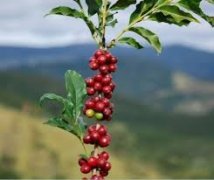
The origin and development of Vietnamese coffee and the characteristics of Vietnamese coffee
Professional coffee knowledge exchange more coffee bean information Please follow the coffee workshop (Wechat official account cafe_style) Vietnamese coffee was brought to Vietnam by French Jesuit missionaries around 1860. in the past 150 years, Vietnam has gradually developed its own unique coffee culture. The dripping coffee you must drink in Vietnam is now being handed over from Ho Chi Minh City, the largest city in the south, to China and Vietnam.

Introduction of Variety treatment method for hand-flavored Flavor graded producing area of Coffee Bean Manor in Guatemala
Guatemala Coffee Bean Manor hand-made Flavor Variety treatment method Coffee was really introduced to Guatemala in 1750 by Father Jesuit, and the coffee industry was developed by German colonists at the end of the 19th century. Today, most of the coffee industry's production takes place in the south of the country. There are seven major coffee producing areas in Guatemala.

History of coffee beans in Guatemala
Guatemala is located in the center of North and South America, and its geographical location occupies an important position in Central America. Guatemala covers an area of about 108899 square kilometers. The land features can be divided into plateau volcanoes, lowland tropical forests, volcanic sandy shore plains along the Pacific coast, and virgin lands along the Caribbean Sea. The SierraMadre Mountains of Central America span east and west of Guatemala, covering an area of

Introduction to the origin of fine coffee in Guatemala: planting situation of unique quality varieties, altitude and climate
Coffee was really introduced into Guatemala in 1750 by Father Jesuit, and the coffee industry was developed by German colonists at the end of the 19th century. Today, most of the coffee industry's production takes place in the south of the country. There are seven major coffee producing areas in Guatemala, and the flavor of the coffee produced in each area is different, but to sum up, all the coffee in Guatemala is

Intense aroma of Guatemala Floral Coffee Variety characteristics Flavor description
Coffee was introduced to Guatemala in 1750 by Father Jesuit, and German colonists developed the coffee industry in the late 19th century. Today, most of the coffee industry is produced in the south of the country. Guatemala has seven major coffee producing areas, each producing area produced by the coffee flavor is different, but in summary, Guatemala coffee are

Introduction of high-quality coffee beans based on the characteristics of lapping degree, price and taste of Guatemalan coffee
Guatemala is bordered by Mexico to the north, Honduras and El Salvador to the south, the Caribbean to the east and the Pacific Ocean to the west, surrounded by mountains and seas, with tropical rain forests, volcanic geology, plateau valleys and ever-changing microclimate. Agriculture is the main source of economy, and the main agricultural product is coffee. Guatemalan coffee once enjoyed a reputation as the best quality coffee in the world.